

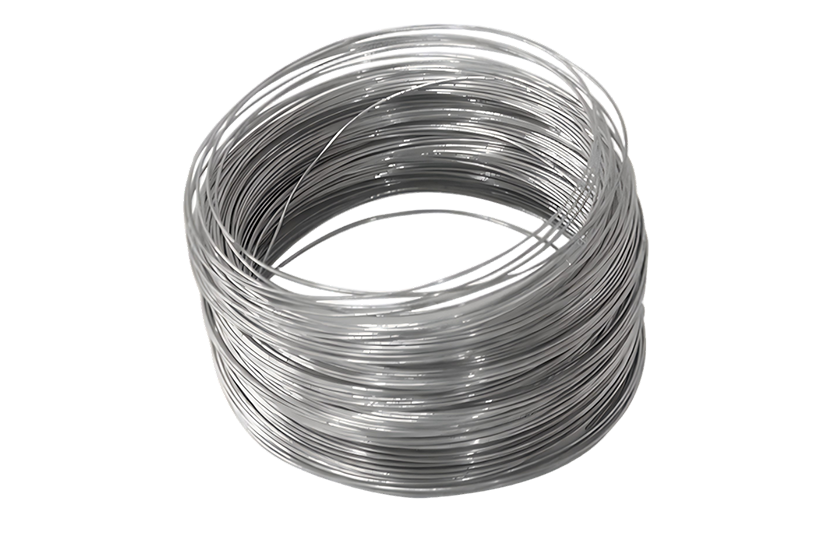
Steel wire rope plays a critical role in modern wind energy equipment, supporting safe lifting,
installation, maintenance, and operational reliability across onshore and offshore wind projects.
As the wind power industry continues to expand, the demand for durable, high-strength, and
fatigue-resistant steel wire rope has increased significantly. From turbine assembly and nacelle
lifting to tower construction, blade handling, offshore mooring, and service operations, steel wire rope
remains one of the most important mechanical components in the wind energy supply chain.
This page provides a comprehensive, SEO-friendly overview of steel wire rope applications in wind energy equipment,
including definitions, benefits, common constructions, technical specifications, selection factors,
industry use cases, and maintenance considerations. The information below is designed for use in
blog posts, category pages, industry landing pages, and technical content hubs.
Steel wire rope is a mechanical load-bearing product made by twisting multiple steel wires together
into strands, which are then helically laid around a central core. This structure gives the rope
excellent tensile strength, flexibility, abrasion resistance, and load-bearing capability. In wind
energy equipment, steel wire rope is widely used because it can handle dynamic loads, repeated lifting
cycles, harsh weather conditions, and high safety requirements.
In the wind industry, wire rope is not just a general-purpose lifting material. It must meet strict
standards for fatigue life, corrosion resistance, construction consistency, and load performance.
Depending on the application, steel wire rope may be galvanized, lubricated, compacted, or specially
engineered for offshore environments and heavy-duty lifting systems.
Wind energy equipment is large, heavy, and often installed in challenging environments. Turbine
components such as blades, towers, hub sections, gearboxes, and nacelles require precise lifting and
positioning during manufacturing, transportation, installation, and servicing. Steel wire rope helps
ensure these operations are performed efficiently and safely.
The applications of steel wire rope in wind energy equipment are broad and mission-critical. Below
are the most common uses across the wind power lifecycle.
One of the most important applications of steel wire rope in wind energy equipment is the installation
of wind turbines. Large tower sections, nacelles, and rotor assemblies must be lifted to significant
heights with controlled stability. Steel wire rope is used in cranes, hoists, and lifting rigs to move
these components accurately and safely.
During erection, the rope must withstand high static and dynamic loads, wind-induced movement,
and sudden changes in tension. This makes high-performance steel wire rope essential for safe and
efficient turbine assembly.
Wind turbine blades are long, delicate, and expensive components that require careful handling.
Steel wire rope is used in specialized lifting systems to support blade transportation, hoisting,
alignment, and installation. Because blades are vulnerable to damage from shock loading or improper
handling, rope selection and rigging precision are especially important.
The nacelle contains the drivetrain, generator, and critical mechanical systems of a wind turbine.
Its installation involves lifting very heavy loads to the top of the tower. Steel wire rope used in
nacelle lifting must provide excellent strength, low elongation, and reliable load control.
Tower sections are typically lifted and assembled with crane systems using steel wire rope. In
maintenance operations, rope is also used in temporary lifting devices, equipment hoists, and service
access systems. Proper wire rope construction helps reduce downtime and improve safety during
maintenance work.
Winches are widely used in wind energy equipment for lifting, pulling, tensioning, and positioning.
Steel wire rope is the primary working element in many winch systems because of its durability and
high load capacity. These systems are often used for auxiliary lifting, blade control, service access,
and offshore operations.
In offshore wind energy equipment and floating wind platforms, steel wire rope may be used in mooring
or anchoring systems depending on the design. These applications require excellent corrosion resistance,
fatigue performance, and long-term reliability in saltwater conditions.
Wind turbines often require service lifts, suspended access equipment, and rescue systems for technicians.
Steel wire rope supports these systems by providing safe motion control and reliable lifting performance.
Since service access is repeated frequently, rope durability is a major factor in reducing lifecycle costs.
In factories, warehouses, and wind farm service bases, steel wire rope is used in general-purpose hoists,
overhead cranes, and auxiliary lifting devices. These tools help move spare parts, gearbox components,
electrical equipment, and maintenance materials.
Steel wire rope offers several advantages that make it suitable for wind energy equipment. The wind
industry depends on performance, safety, and durability, and wire rope delivers all three when properly
specified and maintained.
| Advantage | Benefit in Wind Energy Equipment |
|---|---|
| High tensile strength | Supports heavy turbine components and large lifting loads |
| Excellent fatigue resistance | Performs well under repeated lifting cycles and dynamic loads |
| Flexibility | Works efficiently in cranes, hoists, winches, and sheaves |
| Abrasion resistance | Helps reduce wear in demanding lifting and motion systems |
| Corrosion protection options | Suitable for offshore wind energy equipment and marine exposure |
| Load stability | Provides controlled lifting and positioning for large turbine parts |
| Long service life | Can reduce maintenance frequency when properly selected and maintained |
Different wire rope constructions are used in wind energy applications depending on the load,
environment, bending frequency, and equipment design. Choosing the correct rope construction is
essential for safe and efficient operation.
| Construction Type | Main Characteristics | Typical Wind Energy Use |
|---|---|---|
| 6x19 | General-purpose construction with good abrasion resistance and moderate flexibility | Crane lifting, auxiliary hoists, maintenance lifting |
| 6x36 | More flexible than 6x19, suitable for frequent bending over sheaves | Winches, hoists, service systems |
| 8x19 | Balanced combination of flexibility and strength | Installation lifting, medium-duty crane systems |
| 35x7 | Rotation-resistant design for controlled lifting of suspended loads | Turbine erection, nacelle and blade handling |
| Compacted strand rope | Higher strength and better wear resistance due to compacted strands | Heavy-duty lifting and demanding offshore applications |
| Galvanized wire rope | Enhanced corrosion protection for outdoor and marine environments | Offshore wind systems, exposed onshore installations |
The exact specification of steel wire rope depends on the application, but the following table gives
a useful overview of common characteristics found in wind energy equipment.
| Specification Parameter | Common Range / Example | Why It Matters |
|---|---|---|
| Material | High-carbon steel, galvanized steel | Determines strength, durability, and corrosion resistance |
| Diameter | Varies from small service ropes to large lifting ropes | Affects load capacity and compatibility with equipment |
| Tensile strength | High-strength grades for lifting and hoisting | Supports heavy wind turbine components |
| Core type | Fiber core, independent wire rope core (IWRC) | Influences flexibility, stability, and crushing resistance |
| Surface finish | Bright, galvanized, or lubricated | Impacts corrosion protection and service life |
| Construction | 6-strand, 8-strand, rotation-resistant | Determines bending behavior and torque control |
| Elongation | Low elongation preferred | Improves lifting precision and load stability |
| Fatigue resistance | High fatigue performance required | Essential for repeated cycles in wind equipment |
| Corrosion resistance | Standard or enhanced, depending on environment | Critical for offshore wind and outdoor exposure |
Selecting the right steel wire rope for wind energy equipment requires careful evaluation of operating
conditions, safety requirements, and equipment design. A rope that works well in one application may
fail prematurely in another if the load, bending radius, or environment is not properly considered.
The first factor is the expected load. Heavy turbine components require rope with high breaking strength
and adequate safety margins. The rope must be able to support both static weight and dynamic forces
during lifting and movement.
Many wind energy equipment systems involve frequent bending over sheaves and drums. A rope with the
wrong construction may wear out quickly or suffer internal fatigue. Flexibility and bend performance are
therefore essential.
Offshore wind energy equipment is exposed to saltwater, humidity, and severe weather. In these
environments, galvanized or specially coated steel wire rope is often preferred. Lubrication and
inspection intervals must also be considered.
Some lifting operations require ropes that minimize twisting and load rotation. Rotation-resistant
wire rope is often selected for crane lifts, blade handling, and suspended loads where stability is
critical.
Wire ropes used in frequent service cycles should have strong fatigue resistance and a construction
optimized for repeated motion. Long-term operational cost is often lower when the rope is matched
carefully to the duty cycle.
The rope must be compatible with the winch, drum, sheave groove, and termination system. Incorrect
sizing or construction can reduce efficiency and increase wear.
Steel wire rope requirements differ significantly between onshore and offshore wind energy equipment.
While both environments demand strength and safety, offshore applications add challenges such as salt
spray, wave motion, humidity, and limited access for maintenance.
| Environment | Main Challenges | Preferred Rope Characteristics |
|---|---|---|
| Onshore wind energy equipment | Weather exposure, dust, temperature fluctuations, lifting cycle wear | High strength, good fatigue resistance, general corrosion protection |
| Offshore wind energy equipment | Saltwater corrosion, high humidity, marine motion, difficult maintenance access | Galvanized or coated rope, high corrosion resistance, long service life |
Safety is a top priority in wind energy equipment, especially during lifting and installation. Steel
wire rope contributes to safety by maintaining predictable performance under load, reducing the risk
of sudden failure, and allowing controlled movement of large and expensive components.
Proper rope selection, installation, inspection, and replacement help reduce accidents and improve
operational reliability. In many wind projects, the quality of the wire rope directly affects project
timelines, worker safety, and equipment protection.
Regular inspection and maintenance are essential to maximize the life of steel wire rope in wind
energy equipment. Because these ropes often work under load in demanding environments, wear can
develop gradually and must be monitored.
Inspect the rope for broken wires, corrosion, kinks, birdcaging, crushing, and abrasion. Early detection
helps prevent unexpected downtime.
Proper lubrication helps reduce friction between wires and strands, protects against corrosion, and
improves fatigue life.
Rope should be replaced when wear, broken wires, diameter reduction, or corrosion reaches unsafe
levels. Replacement criteria should follow equipment standards and operating guidelines.
Steel wire rope should be stored in a dry, clean environment and handled carefully to avoid twisting,
contamination, and mechanical damage.
Steel wire rope in wind energy equipment is often paired with specialized terminations and fittings to
ensure secure load transfer. The choice of termination affects safety, efficiency, and installation ease.
| Termination Type | Typical Purpose |
|---|---|
| Swaged fittings | Secure attachment in lifting and rigging systems |
| Spelter sockets | High-strength permanent end connection |
| Thimble eyes | Protect rope from wear at connection points |
| Mechanical grips | Fast installation in selected auxiliary systems |
| Open and closed sockets | Common in heavy lifting and crane applications |
The wind energy sector continues to evolve, and steel wire rope technology is advancing with it.
Industry trends include stronger compacted ropes, improved corrosion protection, better fatigue
performance, and greater suitability for offshore wind energy equipment. As turbines become larger,
lifting requirements become more demanding, making high-performance rope solutions increasingly
important.
Sustainability also plays a role. Longer-lasting wire rope can reduce replacement frequency, limit
downtime, and improve the overall efficiency of wind energy operations. This is especially important
in remote and offshore locations where service access is expensive and time-consuming.
To help this content perform well in search engines, the topic naturally includes relevant phrases
such as steel wire rope applications in wind energy equipment, wind turbine wire rope,
wire rope for wind energy, offshore wind lifting rope, wind turbine installation rope,
steel wire rope for cranes and hoists, and heavy-duty wire rope for wind power equipment.
These keyword variations help search engines understand the page’s relevance while keeping the content
useful and readable for users. For best results, the page should also include supporting internal links,
descriptive image alt text, and clean heading structure.
Steel wire rope is used for turbine installation, nacelle lifting, blade handling, tower assembly,
maintenance access, winch systems, and offshore support operations.
It offers high strength, durability, flexibility, and fatigue resistance, which are essential for heavy
lifting and dynamic wind energy operations.
Yes. Galvanized steel wire rope is commonly used where corrosion resistance is needed, especially in
marine and offshore environments.
Inspection frequency depends on duty cycle, environment, and equipment standards, but frequent visual
checks and scheduled detailed inspections are recommended.
A suitable rope should provide high breaking strength, stable load control, good fatigue resistance,
and compatibility with crane and hoist systems.
Steel wire rope is an essential component in wind energy equipment, supporting the installation,
operation, maintenance, and safety of modern wind power systems. Its strength, flexibility, fatigue
resistance, and corrosion protection options make it ideal for demanding lifting and handling tasks
across onshore and offshore wind projects. Whether used in cranes, hoists, winches, service systems,
or offshore support equipment, the right steel wire rope helps improve reliability, reduce downtime,
and enhance operational safety.
As the global wind energy industry grows, the need for high-performance steel wire rope will continue
to rise. Understanding the applications, construction types, technical specifications, and maintenance
practices of steel wire rope is essential for anyone involved in wind energy equipment planning,
procurement, engineering, or operations.
```

 هاتف أرضي+86-513-85100011
رقم الهاتف: +86 13585223056
 بريد إلكتروني:hangtong@nthangtong.com
vicky@nthangtong.com
 العنوان: رقم 508، طريق جوانجكسينج، مدينة بايشان، مقاطعة بواي، مدينة جياوزو، مقاطعة خنان
حقوق الطبع والنشر © شركة خنان سوكسيانج للكابلات الفولاذية المحدودة
يستخدم هذا الموقع ملفات تعريف الارتباط لضمان حصولك على أفضل تجربة على موقعنا.
 English
 Español
 한국어
한국어 Tiếng Việt
 Filipino



 هاتف
هاتف
تعليق
(0)