

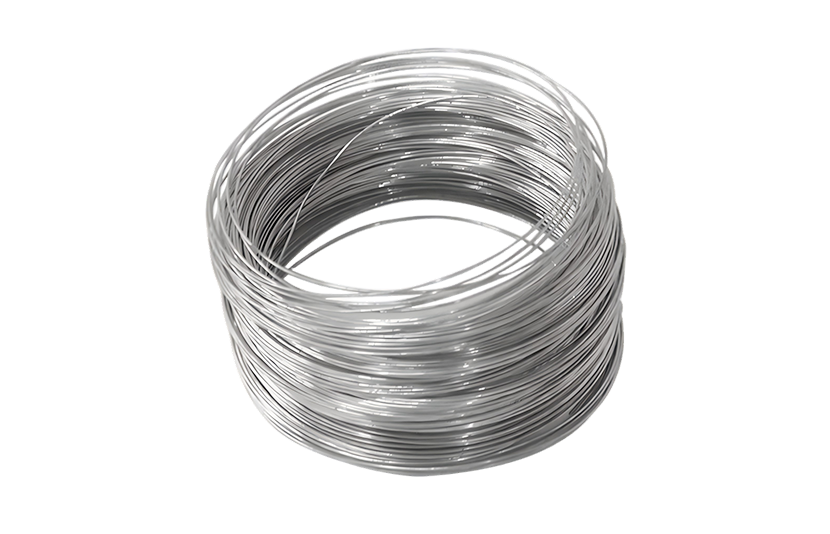
عند اختيار حبل من الأسلاك الفولاذية بالنسبة لعمليات الرفع، والتركيب، والنقل، والقطر، أو التطبيقات البحرية، فإن أحد أهم القرارات الفنية هو
نوع قلب الحبل السلكياللب هو المكون الداخلي الذي يدعم الخيوط الخارجية ويساعد في تحديد كيفية أداء الحبل تحت الحمل.
الانحناء، والصدمات، وتغيرات درجة الحرارة. في صناعة حبال الأسلاك العالمية، الخياران الأكثر شيوعًا هما لب الألياف و قلب فولاذي.
فهم الفرق بين حبل سلكي ذو لب من الألياف مقابل حبل سلكي ذو لب فولاذي يُعدّ هذا الأمر ضروريًا للمهندسين والمشترين وفرق الصيانة والموزعين والمشاريع
للمختصين. يمكن لنوع اللب المناسب أن يحسن عمر الخدمة، والمرونة، ومقاومة التآكل، ومقاومة السحق، والسلامة العامة. أما الاختيار الخاطئ فقد يؤدي إلى انخفاض
الأداء، أو التآكل المبكر، أو سوء الاستخدام في الميدان.
يقدم هذا الدليل نظرة عامة واضحة ومتوافقة مع محركات البحث لـ أنواع قلب حبل سلك فولاذي، بما في ذلك التعريفات، والهيكل، والفوائد، والعيوب، والنموذجي
تطبيقات وجداول مقارنة عملية. وهو مصمم للاستخدام في المدونات وصفحات فئات المنتجات والأدلة الصناعية والصفحات التقنية.
أ سلك فولاذي ذو قلب حبل سلكي هو العنصر المركزي الذي تُلف حوله الخيوط الخارجية بشكل حلزوني. وظيفته هي توفير الدعم والحفاظ على تماسك الحبل.
يُساهم اللب في تشكيل الحبل، وتثبيت وضعية الخيوط، وتحسين أدائه الميكانيكي. بعبارة أخرى، يُشكل اللب أساس الحبل.
يتكون الحبل السلكي عادةً من عدة خيوط سلكية ملتفة حول لب مركزي. يؤثر نوع اللب بشكل مباشر على مرونة الحبل، وتوزيع قوته، وقدرته على
مقاومة للسحق، واحتفاظ بالتشحيم، وملاءمة لظروف تشغيل محددة. في مصطلحات حبال الأسلاك، الفئتان الرئيسيتان هما:
تستخدم بعض الحبال أيضاً تركيبات متخصصة، لكن يبقى اللب الليفي واللب الفولاذي الخيارين الأكثر استخداماً على نطاق واسع في العديد من الصناعات.
لا يُعدّ نوع النواة مجرد تفصيل تصميمي ثانوي، بل يؤثر على العديد من عوامل الأداء الحاسمة، بما في ذلك:
الاختيار بين حبل سلكي ذو لب من الألياف و حبل سلكي ذو قلب فولاذي ينبغي أن يستند ذلك دائماً إلى متطلبات التطبيق وبيئة التشغيل.
سلوك الحمل، وتواتر الانحناء، ومتطلبات السلامة.
حبل سلكي ذو لب من الألياف يستخدم لبًا مصنوعًا من مادة ليفية بدلًا من المعدن. قد تكون الألياف طبيعية أو صناعية أو نسيجًا مخلوطًا.
يعتمد ذلك على تصميم الحبل والاستخدام المقصود. تُلف الخيوط الخارجية حول هذا اللب الناعم، مما ينتج عنه حبل أكثر مرونة وأسهل في الاستخدام بشكل عام.
يتحمل وزنًا أكثر من حبل فولاذي مماثل.
تُعرف الحبال ذات النواة الليفية عادةً باسم حبال سلكية من نوع FCتُستخدم هذه المنتجات على نطاق واسع حيث تكون المرونة وسهولة الانحناء والتحميل المعتدل أكثر أهمية
أكثر من أقصى مقاومة للسحق أو مقاومة للحرارة.
حبل سلكي ذو قلب فولاذي يستخدم عنصر دعم داخلي مصنوع من الفولاذ، والذي يكون عادةً إما قلب سلكي أو حبل سلكي مستقل
جوهر في مجال البناء، يُعرف هذا النوع من الحبال أيضًا بثباته الهيكلي العالي، ومقاومته المحسّنة للضغط، وأدائه القوي في الظروف الصعبة.
البيئات.
غالباً ما يتم اختيار الحبل ذو القلب الفولاذي للاستخدام الصناعي الشاق، وخاصة عندما يتعرض الحبل لأحمال عالية، أو قوى سحق، أو تآكل شديد، أو درجات حرارة مرتفعة.
بالمقارنة مع الحبل السلكي ذي النواة الليفية، فإن الحبل السلكي ذو النواة الفولاذية يوفر عادةً دعماً أفضل وعمراً أطول في ظروف التشغيل القاسية.
ال حبل سلكي ذو لب من الألياف مقابل حبل سلكي ذو لب فولاذي تُعد المقارنة أساسية في اختيار حبال الأسلاك. يخدم كلا النوعين من الحبال نفس الغرض الأساسي، لكنهما يؤديان وظائف مختلفة.
يختلف الأمر في ظروف العالم الحقيقي. يقدم الجدول التالي نظرة عامة عملية على الاختلافات الرئيسية.
| ميزة | لب الألياف (FC) | قلب فولاذي (SC) |
|---|---|---|
| المادة الأساسية | ألياف طبيعية أو صناعية | أسلاك فولاذية أو جديلة فولاذية |
| المرونة | عالي | متوسط إلى منخفض |
| مقاومة السحق | أدنى | أعلى |
| مقاومة للحرارة | أدنى | أعلى |
| امتصاص الصدمات | أفضل في العديد من التطبيقات الديناميكية | معتدل |
| الاحتفاظ بالتشحيم | جيد | جيد، لكن ذلك يعتمد على البناء. |
| وزن | ولاعة | أثقل قليلاً |
| الاستخدام النموذجي | أعمال التجهيز العامة، والرفع الخفيف، والتطبيقات المرنة | رفع الأحمال الثقيلة، التعدين، الرافعات، البيئات القاسية |
| الحياة الوظيفية تحت ضغط عالٍ | معتدل | عادة أطول |
| مستوى السعر | عادة أقل | عادة أعلى |
يحظى حبل السلك ذو اللب الليفي بشعبية واسعة في العديد من الصناعات لأنه يوازن بين الأداء والتكلفة وسهولة الاستخدام. كما أن بنيته الداخلية الأكثر مرونة تسمح للحبل بالانحناء.
يسهل تركيبه ويتوافق بشكل أفضل مع البكرات والأسطوانات. وهذا يجعله خيارًا عمليًا للعديد من التطبيقات القياسية.
يُختار حبل السلك ذو اللب الليفي غالبًا عندما يكون من الضروري أن ينزلق الحبل بسلاسة فوق البكرات والأسطوانات بأقل قدر من الصلابة. كما أنه أسهل في اللف والنقل والتركيب.
العديد من حالات الاستخدام القياسية.
يُفضل استخدام حبل سلكي ذي قلب فولاذي في البيئات القاسية التي تُعد فيها المتانة الميكانيكية أمرًا بالغ الأهمية. ولأن القلب معدني، فإنه يوفر دعمًا داخليًا أقوى و
مقاومة أفضل لقوى السحق. وهذا ما يجعل الحبل ذو القلب الفولاذي خيارًا ممتازًا للتطبيقات التي يُلف فيها الحبل بإحكام على بكرات، ويتعرض لأحمال ثقيلة.
أو تعرضها لمعاملة قاسية.
بشكل عام، إذا كان التطبيق يتطلب من الحبل تحمل الضغط والحرارة والإجهاد الميكانيكي، فإن حبل سلكي ذو قلب فولاذي غالباً ما يكون الخيار الأفضل.
على الرغم من مرونته، فإن حبال الأسلاك ذات النواة الليفية لها حدود. فهي ليست مناسبة دائمًا للاستخدامات الصناعية الشاقة، خاصةً في الأماكن التي قد تتعرض فيها الحبال للسحق تحت الضغط.
الضغط أو التعرض لدرجات حرارة مرتفعة.
يوفر حبل السلك ذو القلب الفولاذي قوة ميكانيكية ومقاومة أعلى، ولكنه يأتي أيضًا مع بعض العيوب. فمقارنةً بالحبل ذي القلب الليفي، يكون عادةً أقل مرونة وقد يكون
يصبح التعامل معها أكثر صعوبة في التطبيقات التي تتطلب انحناءً ضيقًا.
اختيار الخيار الصحيح نوع قلب الحبل السلكي يعتمد ذلك على عدة عوامل تشغيلية. لا يوجد خيار "أفضل" عالميًا. بل يعتمد الاختيار الصحيح على كيفية
سيتم استخدام الحبل، وأين سيعمل، وما نوع الضغط الذي سيواجهه.
يلخص الجدول أدناه ملف تعريف الأداء لـ حبل سلكي ذو لب من الألياف مقابل حبل سلكي ذو لب فولاذي في الاستخدام الصناعي العملي.
| عامل الأداء | حبل سلكي ذو لب ليفي | حبل سلكي ذو قلب فولاذي |
|---|---|---|
| إجهاد الانحناء | جيد عموماً | جيد، لكن ذلك يعتمد على البناء. |
| مقاومة الانضغاط | متوسط إلى منخفض | عالي |
| تحمل الحرارة | محدود | أحسن |
| سهولة الاستخدام | ممتاز | معتدل |
| الاستقرار الهيكلي | معتدل | عالي |
| مقاومة سحق الطبول | أدنى | أعلى |
| الكفاءة في التكلفة | غالباً ما يكون أفضل للاستخدام القياسي | تكلفة أولية أعلى |
| أفضل حالة استخدام | عمليات مرنة ومتعددة الأغراض | عمليات شاقة وعالية الضغط |
توكي يفهم أنواع قلب حبل سلك فولاذيمن المفيد معرفة بعض المصطلحات الشائعة المستخدمة في مجال البناء.
| شرط | معنى |
|---|---|
| ستراند | مجموعة من الأسلاك ملتفة معًا لتشكيل جزء واحد من الحبل. |
| جوهر | العنصر الداعم المركزي داخل الحبل السلكي. |
| يضع | الاتجاه والنمط الذي يتم فيه لف الأسلاك والخيوط. |
| القطر | سُمك سلك الحبل المقاس. |
| قوة التحمل | القوة التي يفشل عندها الحبل السلكي تحت تأثير الشد. |
| حد حمل العمل | الحد الأقصى للحمل الآمن الموصى به للخدمة العادية. |
سواء كان الاختيار حبل سلكي ذو لب من الألياف أو حبل سلكي ذو قلب فولاذيينبغي دائمًا مراجعة العديد من المواصفات قبل الشراء أو
التركيب. تساعد هذه التفاصيل على ضمان أداء آمن وفعال.
تختلف تركيبات الحبال السلكية باختلاف عدد الخيوط وحجم السلك ونوع اللب. وبينما تعتمد المواصفات الدقيقة على التطبيق، توضح الأمثلة التالية الأنماط الشائعة.
يستخدم في الصناعة.
| مثال إنشائي | النوع الأساسي النموذجي | للاستخدام العام |
|---|---|---|
| 6x19 FC | الألياف الأساسية | تطبيقات الرفع العامة والمرونة |
| 6x36 FC | الألياف الأساسية | حبل أكثر مرونة للانحناء والاستخدام المتوسط |
| 6x19 IWRC | قلب فولاذي | قدرة على رفع الأحمال الثقيلة ومقاومة أعلى للسحق |
| 6x36 IWRC | قلب فولاذي | التطبيقات الصناعية التي تتطلب المتانة والقوة |
| حبل فولاذي 7x7 | دعامة ذات قلب فولاذي / دعامة قائمة على الخيوط | خطوط التحكم، والتعليق، والاستخدام الصناعي العام |
تُعدّ الصيانة الدورية ضرورية لإطالة عمر أي حبل سلكي فولاذي. ويؤثر نوع اللب على كيفية فحص الحبل وتزييته وتخزينه ومراقبته.
في كلتا الحالتين، يعد الفحص البصري المنتظم والاستبدال في فترة الخدمة الصحيحة أمراً مهماً للحفاظ على التشغيل الآمن.
تُفضّل الصناعات المختلفة أنواعًا مختلفة من النوى الأساسية تبعًا لمتطلبات التشغيل. يوضح الجدول أدناه أنماط الاستخدام الشائعة في الصناعات المختلفة.
| صناعة | نوع النواة المفضل | سبب |
|---|---|---|
| بناء | قلب فولاذي | أحمال ثقيلة، وأعمال رافعة، وظروف عمل قاسية في مواقع العمل |
| التعدين | قلب فولاذي | مقاومة عالية للتآكل، وإجهاد الحمل، والبيئات القاسية |
| البحرية | قلب من الألياف أو قلب من الفولاذ | يعتمد ذلك على الانحناء، والتعرض للتآكل، ومتطلبات الحمل |
| تصنيع | كلاهما | يعتمد الاختيار على تصميم الآلة وتردد الدورة |
| مواصلات | قلب من الألياف أو قلب من الفولاذ | يعتمد ذلك على المرونة والتوتر واحتياجات المناولة |
| النفط والغاز | قلب فولاذي | أفضل للظروف التقنية والبيئية الصعبة |
| أنظمة المصاعد | قلب فولاذي | قوة وثبات أعلى لحركة متحكم بها |
بالنسبة لصفحات المواقع الإلكترونية التي تستهدف تحسين ظهورها في نتائج البحث، فإن الكلمات المفتاحية المهمة ذات الصلة هي: أنواع قلب حبل سلك فولاذي يشمل:
تُستخدم هذه العبارات بشكل شائع من قِبل المشترين والمهندسين والباحثين التقنيين. ويمكن أن يساعد تضمينها بشكل طبيعي ضمن العناوين والجداول والفقرات في تحسين المحتوى ذي الصلة بالموضوع.
مدى ملاءمتها لمحركات البحث.
ليس بالضرورة في كل الحالات، لكن حبل السلك ذو اللب الليفي يوفر عمومًا دعمًا داخليًا أقل من حبل السلك ذي اللب الفولاذي. عادةً ما يكون اللب الفولاذي أقوى في مقاومة السحق.
وهي أنسب للاستخدامات الشاقة.
نعم، عادةً ما يكون حبل السلك ذو القلب الفولاذي أقل مرونة من حبل السلك ذي القلب الليفي. وهذا أحد الأسباب التي تجعل القلب الليفي يُختار غالبًا للتطبيقات التي تتطلب انحناءً متكررًا.
وحركة سلسة فوق البكرات.
يعتمد العمر الافتراضي على الاستخدام. في البيئات الشاقة أو ذات الإجهاد العالي، غالبًا ما يدوم حبل السلك ذو القلب الفولاذي لفترة أطول. أما في البيئات الأخف وزنًا أو المرنة أو ذات الاستخدام المتوسط.
في التطبيقات، قد يؤدي الحبل ذو النواة الليفية أداءً جيدًا للغاية.
لا يُنصح عمومًا باستخدام حبال الأسلاك ذات النواة الليفية في البيئات ذات درجات الحرارة العالية لأن مادة الألياف الداخلية قد تتدهور بشكل أسرع من الفولاذ.
يرمز IWRC إلى قلب حبل سلكي مستقلهو نوع من أنواع الهياكل ذات القلب الفولاذي التي تستخدم حبلًا سلكيًا منفصلًا كعنصر دعم داخلي. IWRC هو
تُستخدم عادةً في تطبيقات حبال الأسلاك الثقيلة.
الخيار بين لب الألياف و قلب فولاذي يعتمد ذلك على التوازن بين المرونة والقوة. عادةً ما يكون حبل السلك ذو اللب الليفي مصنوعًا من
يُفضل استخدام أسلاك الفولاذ ذات القلب الفولاذي لسهولة الانحناء والتعامل، وللتطبيقات التي تتطلب مراعاة التكلفة. ويُفضل استخدامها عادةً في التطبيقات الشاقة، والتي تتحمل أحمالًا عالية، ودرجات حرارة مرتفعة، و...
أداء مقاوم للسحق.
للاستخدامات العامة، يمكن أن يكون القلب الليفي خيارًا عمليًا واقتصاديًا. أما في الظروف الصناعية الصعبة، فغالبًا ما يوفر القلب الفولاذي المتانة والاستقرار.
ضروري للتشغيل الآمن والموثوق. من خلال فهم الاختلافات الرئيسية في أنواع قلب حبل السلكوبذلك يستطيع المشترون والمهندسون اتخاذ قرارات أكثر استنارة.
وتحسين أداء معداتهم.
في أي عملية تحديد مواصفات، يجب مراعاة قطر الحبل، وبنيته، وبيئة التشغيل، ومستوى الحمل، وتواتر الانحناء، وجدول الصيانة. وهذا هو الخيار الصحيح.
خيار نوع قلب حبل سلك فولاذي يمكن أن يؤدي ذلك إلى تحسين السلامة بشكل كبير، وتقليل وقت التوقف، وإطالة عمر الخدمة.
```

 هاتف أرضي+86-513-85100011
رقم الهاتف: +86 13585223056
 بريد إلكتروني:hangtong@nthangtong.com
vicky@nthangtong.com
 العنوان: رقم 508، طريق جوانجكسينج، مدينة بايشان، مقاطعة بواي، مدينة جياوزو، مقاطعة خنان
حقوق الطبع والنشر © شركة خنان سوكسيانج للكابلات الفولاذية المحدودة
يستخدم هذا الموقع ملفات تعريف الارتباط لضمان حصولك على أفضل تجربة على موقعنا.
 English
 Español
 한국어
한국어 Tiếng Việt
 Filipino



 هاتف
هاتف
تعليق
(0)