دليل حبال الأسلاك الفولاذية: التركيب، الأنواع، درجات القوة، والاستخدامات الشائعةيقدم دليل حبال الأسلاك الفولاذية نظرة شاملة على بنية حبال الأسلاك الفولاذية وأنواعها ودرجات قوتها واستخداماتها الشائعة. تُعد حبال الأسلاك الفولاذية مكونًا ميكانيكيًا أساسيًا يُستخدم على نطاق واسع في الرفع والنقل والهندسة البحرية والبناء والتعدين والمعدات الصناعية. يساعد فهم بنية حبال الأسلاك الفولاذية وأنواعها المستخدمين على اختيار حلول حبال الأسلاك المناسبة وفقًا لظروف العمل المختلفة ومتطلبات الأداء.
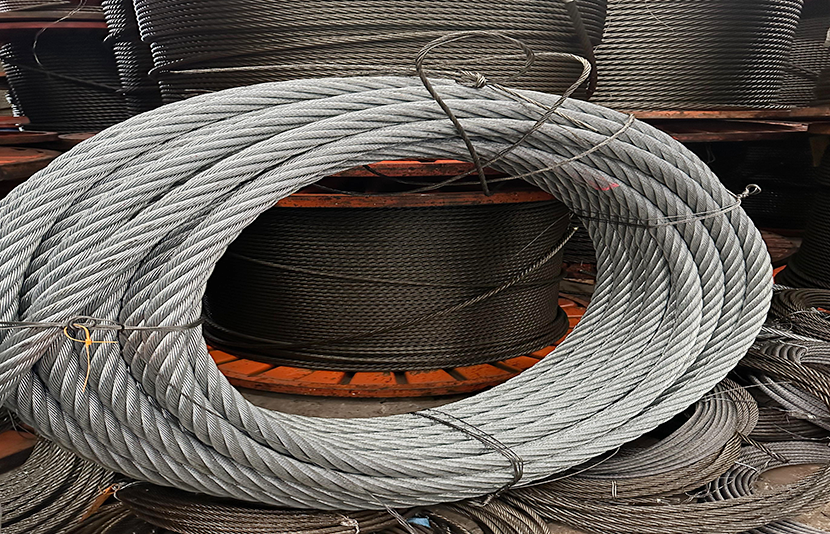
صُممت حبال الأسلاك الفولاذية لتوفير قوة شد عالية، ومرونة، ومتانة، وأداء موثوق في تحمل الأحمال. يؤثر تركيب حبل السلك الفولاذي بشكل مباشر على قوته، وقدرته على الانحناء، ومقاومته للإجهاد، وعمره الافتراضي. ومن خلال طرق تصنيع حبال الأسلاك الفولاذية المختلفة وتركيبات المواد المتنوعة، يمكن تلبية متطلبات التطبيقات المختلفة.
يشرح هذا الدليل الخاص بحبال الأسلاك الفولاذية عوامل مهمة تشمل بنية حبال الأسلاك الفولاذية، وأنواعها، ودرجات قوتها، واستخداماتها الشائعة. من خلال فهم هذه الخصائص، يستطيع المهندسون والمشترون والمستخدمون الصناعيون اتخاذ قرارات أفضل عند اختيار منتجات حبال الأسلاك الفولاذية.
ما هو حبل الأسلاك الفولاذية؟
حبل الأسلاك الفولاذية عبارة عن كابل مرن مصنوع من خلال لفّ عدة أسلاك فولاذية معًا لتشكيل خيوط، ثم دمج هذه الخيوط حول قلب. يسمح هذا التركيب الفريد لحبل الأسلاك الفولاذية بحمل أحمال ثقيلة مع الحفاظ على مرونته ومقاومته للإجهاد الميكانيكي.
بالمقارنة مع الأسلاك الفولاذية العادية، توفر حبال الأسلاك الفولاذية قوةً أكبر ومرونة أفضل بفضل تركيبها متعدد الطبقات. وهذا ما يجعلها مناسبة للتطبيقات التي تتطلب قدرة تحمل عالية وأداءً موثوقاً.
يعتمد أداء حبل الأسلاك الفولاذية على عدة عوامل، منها مادة السلك، وقطر الحبل، وبنية حبل الأسلاك الفولاذية، وأنواع حبال الأسلاك الفولاذية، ودرجات قوتها. ويضمن اختيار التصميم الصحيح لحبل الأسلاك الفولاذية تشغيلاً آمناً وفعالاً.
شرح عملية تصنيع الحبال المصنوعة من الأسلاك الفولاذية
يُعدّ تصميم حبال الأسلاك الفولاذية أحد أهم العوامل المؤثرة على أداء الحبل. فهو يحدد كيفية ترتيب الأسلاك الفردية، وكيفية تشكيل الخيوط، وكيفية استجابة الحبل النهائي للشد والانحناء والتحميل المتكرر.
يتكون هيكل حبل الأسلاك الفولاذية النموذجي من ثلاثة عناصر رئيسية: أسلاك فولاذية فردية، وخيوط، وقلب. تُلفّ عدة أسلاك فولاذية معًا لتكوين خيط، ثم تُرتّب عدة خيوط حول قلب مركزي لتشكيل هيكل الحبل بالكامل.
تُوفر تصاميم حبال الأسلاك الفولاذية المختلفة مزايا متنوعة. فبعضها يركز على المرونة، بينما يُركز البعض الآخر على القوة، ومقاومة التآكل، أو أداء التحمل. ويعتمد اختيار نوع التصميم المناسب على بيئة العمل ومتطلبات التطبيق.
المكونات الرئيسية لحبل الأسلاك الفولاذية
أسلاك فولاذية
تُعدّ الأسلاك الفولاذية العناصر الأساسية لحبال الأسلاك الفولاذية. وتؤثر جودة وقطر وخواص كل سلك فولاذي على حدة بشكل مباشر على قوة ومتانة الحبل بشكل عام.
توفر أسلاك الفولاذ عالية الجودة قوة شد ممتازة ومقاومة عالية للإجهاد المتكرر. وفي عملية تصنيع حبال أسلاك الفولاذ، يُعدّ ضبط جودة الأسلاك أمرًا بالغ الأهمية لضمان أداء ثابت للحبل.
خيوط
تُصنع الخيوط عن طريق لفّ عدة أسلاك فولاذية معًا. ويؤثر ترتيب وعدد الأسلاك داخل كل خيط على مرونته وقوته ومقاومته للتآكل.
تستخدم أنواع مختلفة من حبال الأسلاك الفولاذية تصميمات مختلفة للخيوط لتحقيق خصائص أداء محددة. بعض أنواع الحبال مصممة لتحقيق أقصى قدر من المرونة، بينما تم تحسين أنواع أخرى لتطبيقات الرفع الشاقة.
جوهر
يُعدّ اللب العنصر الداعم المركزي داخل حبل الأسلاك الفولاذية. فهو يوفر الدعم الهيكلي، ويحافظ على شكل الحبل، ويساعد على تحسين الاستقرار أثناء التشغيل.
تؤثر المواد والتصاميم المختلفة للقلب على أداء بناء حبال الأسلاك الفولاذية. ويعتمد اختيار القلب على متطلبات الحمل وظروف التشغيل واحتياجات المرونة.
أنواع وتصنيفات حبال الأسلاك الفولاذية
يُعدّ فهم أنواع حبال الأسلاك الفولاذية أمرًا أساسيًا عند اختيار الحبل المناسب لتطبيقات محددة. تُصمّم أنواع حبال الأسلاك الفولاذية المختلفة وفقًا لمتطلبات القوة، ومستويات المرونة، وبيئات التشغيل، وظروف التحميل.
حبل سلكي فولاذي للأغراض العامة
تُستخدم حبال الأسلاك الفولاذية للأغراض العامة على نطاق واسع في تطبيقات الرفع والسحب والدعم الشائعة. يوفر هذا النوع من حبال الأسلاك الفولاذية مزيجًا متوازنًا من القوة والمرونة والمتانة.
تُعد أنواع حبال الأسلاك الفولاذية العامة مناسبة للعديد من التطبيقات الصناعية حيث يكون الأداء الموثوق به وكفاءة التكلفة أمراً مهماً.
حبل سلكي فولاذي عالي القوة
صُممت حبال الأسلاك الفولاذية عالية المتانة للتطبيقات التي تتطلب قدرة تحمل عالية وأداءً محسّنًا. وتُستخدم هذه الأنواع من حبال الأسلاك الفولاذية بشكل شائع في عمليات الرفع الثقيلة والمشاريع الهندسية.
تأتي خصائص القوة العالية من اختيار المواد الأمثل، وبناء حبال الأسلاك الفولاذية، وعمليات التصنيع.
حبل سلكي فولاذي مرن
صُممت حبال الأسلاك الفولاذية المرنة للاستخدامات التي تتطلب انحناءً وحركة متكررين. توفر هذه الأنواع من حبال الأسلاك الفولاذية مقاومة محسّنة للإجهاد وتشغيلاً أكثر سلاسة.
تُستخدم حبال الأسلاك الفولاذية المرنة بشكل شائع في المعدات التي تتعرض لدورات انحناء متكررة، مما يتطلب مرونة ومتانة ممتازتين.
حبل سلكي فولاذي مقاوم للتآكل
تم تصميم حبل الأسلاك الفولاذية المقاوم للتآكل للاستخدام في البيئات الخارجية والبحرية والصناعية حيث توجد مخاطر الرطوبة والتآكل.
توفر أنواع حبال الأسلاك الفولاذية هذه متانة محسنة وعمر خدمة أطول في الظروف الصعبة.
تشير درجات قوة حبال الأسلاك الفولاذية إلى قدرة تحمل الأحمال والأداء الميكانيكي لهذه الحبال. ويتم اختيار درجات القوة المختلفة وفقًا لأحمال التشغيل ومتطلبات السلامة وظروف الاستخدام.
يساعد فهم درجات قوة حبال الأسلاك الفولاذية المستخدمين على اختيار الحبال المناسبة للرفع والنقل والتطبيقات الهندسية. توفر درجات القوة الأعلى عمومًا قدرة تحمل أكبر، ولكن يجب دائمًا مراعاة متطلبات التطبيق.
تتأثر درجات قوة حبال الأسلاك الفولاذية بعوامل مثل جودة مادة الفولاذ، وقطر السلك، وبنية الحبل، ودقة التصنيع. ويضمن الاختيار الصحيح تشغيلاً آمناً وفعالاً.
العوامل المؤثرة على درجات قوة حبال الأسلاك الفولاذية
تؤثر عدة عوامل على درجات قوة حبال الأسلاك الفولاذية، بما في ذلك مادة السلك، وقطر الحبل، وتصميم الجديلة، ونوع اللب، وعملية التصنيع.
يوفر قطر الحبل الأكبر عمومًا قوة كسر أعلى، في حين أن البنية المتقدمة لحبال الأسلاك الفولاذية يمكن أن تحسن الأداء في ظل ظروف عمل محددة.
تؤثر العوامل البيئية، مثل درجة الحرارة والتآكل وتواتر الانحناء ودورات التحميل، على الأداء الفعلي للحبال. لذا، ينبغي تقييم درجات قوة حبال الأسلاك الفولاذية بالتزامن مع متطلبات التطبيق.
خصائص أداء حبال الأسلاك الفولاذية
يعتمد أداء حبل الأسلاك الفولاذية على تصميمه، وجودة مواده، ودرجة قوته، وبيئة العمل. يوفر حبل الأسلاك الفولاذية المُختار بعناية قوة شد ممتازة، ومرونة عالية، ومقاومة للتآكل، وموثوقية طويلة الأمد.
من أهم مزايا حبال الأسلاك الفولاذية قدرتها على تحمل الأحمال الثقيلة مع الحفاظ على مرونتها. ويتيح تركيب الأسلاك والجدائل المتعددة توزيع الإجهاد بكفاءة أثناء التشغيل.
تتميز أنواع حبال الأسلاك الفولاذية المختلفة بخصائص أداء متباينة. فبعض التصاميم تركز على أقصى قدر من المتانة، بينما تُحسّن تصاميم أخرى المرونة، ومقاومة الإجهاد، أو الحماية من التآكل. ويساعد فهم هذه الاختلافات المستخدمين على اختيار حبل السلك الفولاذي الأنسب لتطبيقات محددة.
قوة شد عالية
تُعدّ قوة الشد العالية إحدى الخصائص الرئيسية لحبال الأسلاك الفولاذية. يسمح تصميمها المُتقن بتحمّل قوى شد كبيرة وأحمال تشغيل ثقيلة.
تساعد درجات قوة حبال الأسلاك الفولاذية في تحديد قدرة التحميل وأداء السلامة لمختلف أنواع الحبال. ويضمن اختيار درجة القوة المناسبة التشغيل الموثوق في تطبيقات الرفع والسحب والدعم.
مرونة ممتازة
تُعدّ المرونة سمةً مهمةً لحبال الأسلاك الفولاذية، لا سيما في التطبيقات التي تتطلب انحناءً وحركةً متكررين. ويُحسّن التصميم السليم لحبال الأسلاك الفولاذية من أداء الانحناء مع تقليل أضرار الإجهاد.
تُستخدم أنواع حبال الأسلاك الفولاذية المرنة بشكل شائع في المعدات التي يمر فيها الحبل عبر البكرات أو الأسطوانات أو الأنظمة المتحركة. وتساعد المرونة الجيدة على إطالة عمر الخدمة وتحسين كفاءة التشغيل.
مقاومة التآكل والإجهاد
غالباً ما تعمل حبال الأسلاك الفولاذية تحت ظروف تحميل متكررة. وتُعد مقاومة التآكل والإجهاد من العوامل المهمة التي تؤثر على عمر الخدمة والموثوقية.
تساعد طرق تصنيع حبال الأسلاك الفولاذية المتقدمة على توزيع الإجهاد بشكل أكثر توازناً على الأسلاك والجدائل. وهذا يحسن مقاومة الإجهاد ويسمح لحبال الأسلاك الفولاذية بالحفاظ على أداء مستقر أثناء التشغيل المستمر.
مقاومة التآكل
تُعد مقاومة التآكل أمراً بالغ الأهمية لحبال الأسلاك الفولاذية المستخدمة في البيئات الخارجية والبحرية والصناعية. وتساعد المعالجات الوقائية واختيار المواد المناسبة على تقليل مخاطر التآكل.
توفر أنواع حبال الأسلاك الفولاذية المقاومة للتآكل متانة أفضل عند تعرضها للرطوبة والمواد الكيميائية وتقلبات الطقس. وتساعد هذه الحبال على تقليل متطلبات الصيانة وتحسين الموثوقية على المدى الطويل.
الاستخدامات الشائعة لحبال الأسلاك الفولاذية
تُستخدم حبال الأسلاك الفولاذية على نطاق واسع في العديد من الصناعات التي تتطلب حلولاً قوية ومرنة وموثوقة لتحمل الأحمال. فمن معدات الرفع إلى الأنظمة البحرية، تلعب حبال الأسلاك الفولاذية دورًا هامًا في العمليات الهندسية والصناعية الحديثة.
استخدام حبال الأسلاك الفولاذية في تطبيقات الرفع والتحميل
يُعدّ الرفع والتحميل من أكثر التطبيقات شيوعاً لحبال الأسلاك الفولاذية. وتعتمد الرافعات والمصاعد ومعدات الرفع وأنظمة مناولة المواد على حبال الأسلاك الفولاذية نظراً لقوتها ومرونتها الممتازة.
في تطبيقات الرفع، يُعد اختيار درجات قوة حبال الأسلاك الفولاذية المناسبة أمرًا بالغ الأهمية للسلامة والأداء. ويساعد اختيار الحبل المناسب على ضمان تشغيل أنظمة الرفع بكفاءة تحت الأحمال المتوقعة.
يؤثر تصميم حبال الأسلاك الفولاذية أيضاً على أداء الرفع. فالتصميمات ذات المرونة العالية مناسبة للأنظمة التي تتطلب حركة متكررة، بينما تُستخدم التصميمات الأقوى لمهام الرفع الشاقة.
حبال الأسلاك الفولاذية للتطبيقات البحرية والمنصات البحرية
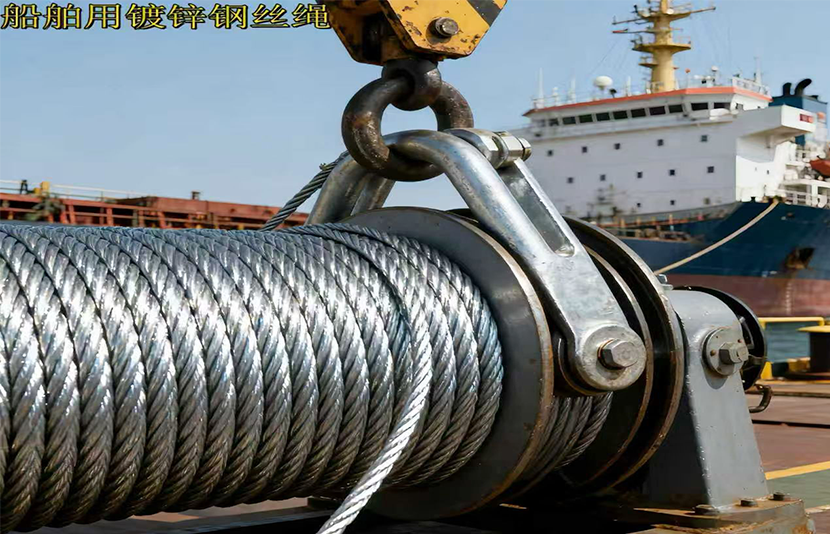
تتطلب البيئات البحرية والمنصات البحرية مواد ذات متانة فائقة ومقاومة عالية للتآكل. ويُستخدم حبل السلك الفولاذي على نطاق واسع في معدات السفن، والأنظمة البحرية، وتطبيقات التثبيت، ومشاريع الهندسة البحرية.
صُممت أنواع حبال الأسلاك الفولاذية البحرية لتحمل الرطوبة والتعرض للملح والإجهاد الميكانيكي. وتساعد التصاميم المقاومة للتآكل في الحفاظ على الأداء في البيئات البحرية الصعبة.
إن الجمع بين القوة والمرونة والمتانة يجعل حبل الأسلاك الفولاذية عنصراً أساسياً للعمليات البحرية التي تتطلب أداءً موثوقاً به.
حبل سلكي فولاذي للبناء والهندسة
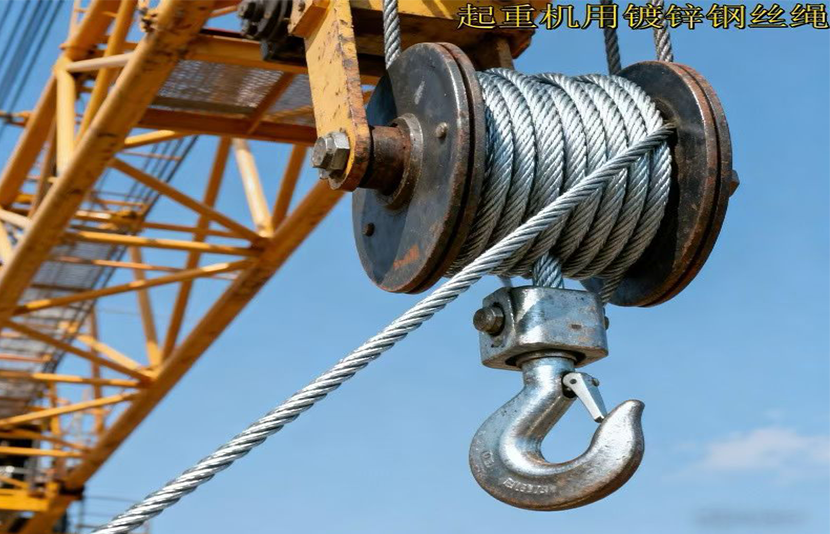
تعتمد مشاريع البناء والهندسة على حبال الأسلاك الفولاذية في عمليات الرفع والدعم والسحب والتطبيقات الإنشائية. توفر حبال الأسلاك الفولاذية القوة اللازمة لبيئات البناء الصعبة.
تشمل التطبيقات الشائعة لحبال الأسلاك الفولاذية في مجال البناء الرافعات وأنظمة التعليق وهياكل الدعم المؤقتة وعمليات المعدات الثقيلة.
يضمن اختيار درجات قوة مناسبة لحبال الأسلاك الفولاذية أن أنظمة البناء يمكنها التعامل مع الأحمال المطلوبة بأمان وكفاءة.
حبال الأسلاك الفولاذية في معدات التعدين والمعدات الصناعية
تتطلب عمليات التعدين والعمليات الصناعية حبالاً سلكية فولاذية ذات قوة عالية ومتانة ممتازة. تُستخدم هذه الحبال في أنظمة الرفع ومعدات النقل والآلات الثقيلة.
في هذه التطبيقات، يؤثر تصميم حبال الأسلاك الفولاذية واختيار درجة القوة بشكل مباشر على السلامة والإنتاجية وعمر الخدمة.
توفر أنواع حبال الأسلاك الفولاذية شديدة التحمل أداءً موثوقًا به في ظل الأحمال العالية والاهتزازات وظروف التشغيل المستمرة.
كيفية اختيار حبل سلك فولاذي مناسب
يتطلب اختيار حبل الأسلاك الفولاذية المناسب تقييم ظروف الاستخدام، ومتطلبات الحمل، وبيئة التشغيل. وتساعد عملية الاختيار الصحيحة على تحقيق أقصى قدر من السلامة والأداء وعمر الخدمة.
تحديد سعة التحميل المطلوبة
تتمثل الخطوة الأولى في اختيار حبل سلكي فولاذي في تحديد قدرة التحميل المطلوبة. يجب أن تتوافق درجات قوة الحبل السلكي الفولاذي مع حمل التشغيل المتوقع ومتطلبات السلامة.
قد يؤدي استخدام حبل سلكي فولاذي ذي قوة غير كافية إلى تقليل السلامة وعمر الخدمة، بينما قد يؤدي اختيار درجة قوة عالية بشكل غير ضروري إلى زيادة التكاليف.
اختر التركيبة الصحيحة لحبل الأسلاك الفولاذية
توفر تصاميم حبال الأسلاك الفولاذية المختلفة مزايا أداء متباينة. ينبغي على المستخدمين مراعاة المرونة ومقاومة التآكل ومتطلبات الإجهاد عند اختيار تصميم الحبل.
تتطلب التطبيقات التي تنطوي على الانحناء المتكرر هياكل مرنة، بينما قد تتطلب تطبيقات الرفع الثقيل تصميمات حبال أقوى.
مراعاة بيئات العمل
تؤثر الظروف البيئية بشكل كبير على أداء حبال الأسلاك الفولاذية. وقد تتطلب البيئات الخارجية والبحرية والصناعية أنواعًا من حبال الأسلاك الفولاذية المقاومة للتآكل.
يساعد أخذ الرطوبة ودرجة الحرارة والمواد الكيميائية وظروف التعرض في الاعتبار على ضمان عمر خدمة أطول وتشغيل موثوق.
صيانة وعمر خدمة حبال الأسلاك الفولاذية
تُعد الصيانة الدورية ضرورية لإطالة عمر خدمة حبال الأسلاك الفولاذية. ويساعد الفحص المنتظم على تحديد التآكل والصدأ والتشوه وغيرها من المشكلات المحتملة قبل حدوث أي عطل.
قد تشمل إجراءات الصيانة التنظيف والتشحيم وفحص الأسلاك المقطوعة والتأكد من حالة الحبال. تساعد هذه الممارسات في الحفاظ على التشغيل الآمن والفعال.
يعتمد العمر الافتراضي لحبل الأسلاك الفولاذية على عوامل تشمل ظروف التحميل، وبنية حبل الأسلاك الفولاذية، وتواتر التشغيل، والتعرض البيئي.
يمكن أن يؤدي الاختيار والصيانة المناسبان لحبال الأسلاك الفولاذية إلى تحسين الأداء بشكل كبير وتقليل وقت التوقف غير المتوقع.
مراقبة جودة إنتاج حبال الأسلاك الفولاذية
تُعدّ مراقبة الجودة عنصراً أساسياً في صناعة حبال الأسلاك الفولاذية. ويضمن الفحص الدقيق استيفاء هذه الحبال للمعايير المطلوبة من حيث القوة والمتانة ودقة الأبعاد.
تشمل عمليات مراقبة الجودة المهمة فحص المواد، واختبار الأسلاك، وقياس الأبعاد، واختبار القوة، وفحص السطح.
يضمن اختبار درجات قوة حبال الأسلاك الفولاذية أن توفر المنتجات النهائية أداءً موثوقًا به في تحمل الأحمال. كما يتحقق نظام مراقبة الجودة من أن بنية حبال الأسلاك الفولاذية تفي بمتطلبات التصميم.
اتجاهات التطوير المستقبلية لحبال الأسلاك الفولاذية
يستمر التركيز في تطوير حبال الأسلاك الفولاذية على زيادة القوة، وتحسين المتانة، وتعزيز مقاومة التآكل. وتتطلب الصناعات الحديثة حلولاً لحبال أسلاك أخف وزناً وأقوى وأكثر متانة.
ستركز تقنيات بناء حبال الأسلاك الفولاذية المستقبلية على تحسين ترتيب الأسلاك، وتحسين مقاومة الإجهاد، وتعزيز الأداء في ظل الظروف القاسية.
ستستمر تقنيات المواد الجديدة وأساليب التصنيع المحسنة في توسيع نطاق التطبيقات الشائعة لحبال الأسلاك الفولاذية في مجالات البناء والنقل والبحرية والصناعية.
الأسئلة الشائعة حول حبال الأسلاك الفولاذية
1. ما هو حبل الأسلاك الفولاذية؟
حبل الأسلاك الفولاذية عبارة عن كابل مرن مصنوع من عدة أسلاك وخيوط فولاذية ملتفة معًا حول قلب. يوفر قوة عالية ومرونة ومتانة للتطبيقات الصناعية.
2. ما هي الأنواع الرئيسية لحبال الأسلاك الفولاذية؟
تشمل أنواع حبال الأسلاك الفولاذية الشائعة حبال الأسلاك الفولاذية للأغراض العامة، وحبال الأسلاك الفولاذية عالية القوة، وحبال الأسلاك الفولاذية المرنة، وحبال الأسلاك الفولاذية المقاومة للتآكل.
3. كيف تؤثر درجات قوة حبال الأسلاك الفولاذية على الأداء؟
تحدد درجات قوة حبال الأسلاك الفولاذية قدرة التحميل والأداء الميكانيكي. ويضمن اختيار درجة القوة الصحيحة تشغيلًا آمنًا وموثوقًا.
4. ما هي الاستخدامات الشائعة لحبال الأسلاك الفولاذية؟
تشمل التطبيقات الشائعة لحبال الأسلاك الفولاذية الرفع، والرفع، والهندسة البحرية، والبناء، والتعدين، والنقل، والمعدات الصناعية.
5. كيف يمكن تحسين عمر خدمة حبل السلك الفولاذي؟
يمكن تحسين عمر الخدمة من خلال الاختيار المناسب، والفحص المنتظم، والصيانة الصحيحة، واختيار درجات بناء وقوة مناسبة لحبال الأسلاك الفولاذية.
خاتمة
يشرح هذا الدليل الخاص بحبال الأسلاك الفولاذية الجوانب الأساسية لبنية هذه الحبال، وأنواعها، ودرجات قوتها، واستخداماتها الشائعة. يساعد فهم هذه العوامل المستخدمين على اختيار حلول موثوقة لحبال الأسلاك تلبي مختلف المتطلبات الصناعية.
توفر حبال الأسلاك الفولاذية قوةً ومرونةً ومتانةً وأداءً ممتازاً في العديد من الصناعات. فمن أعمال الرفع والبناء إلى التطبيقات البحرية والصناعية، لا تزال حبال الأسلاك الفولاذية عنصراً أساسياً لضمان عمليات آمنة وفعالة.
من خلال اختيار بنية حبل الأسلاك الفولاذية الصحيحة، وأنواع حبال الأسلاك الفولاذية المناسبة، ودرجات قوة حبال الأسلاك الفولاذية الملائمة، يمكن للمستخدمين تحقيق أداء أفضل، وعمر خدمة أطول، وموثوقية تشغيلية محسنة.

 English
 Español
 한국어
한국어 Tiếng Việt
 Filipino


 بريد إلكتروني:
 العنوان: رقم 508، طريق جوانجكسينج، مدينة بايشان، مقاطعة بواي، مدينة جياوزو، مقاطعة خنان



 هاتف
هاتف
تعليق
(0)